When should a caterer offer a tasting, and who should pay for it?
Tastings sell events, but they also cost real kitchen hours. Here is how to decide when a tasting is earned, how to charge for it fairly, and how to turn feedback into a cleaner BEO.
Why the timing of a tasting changes everything
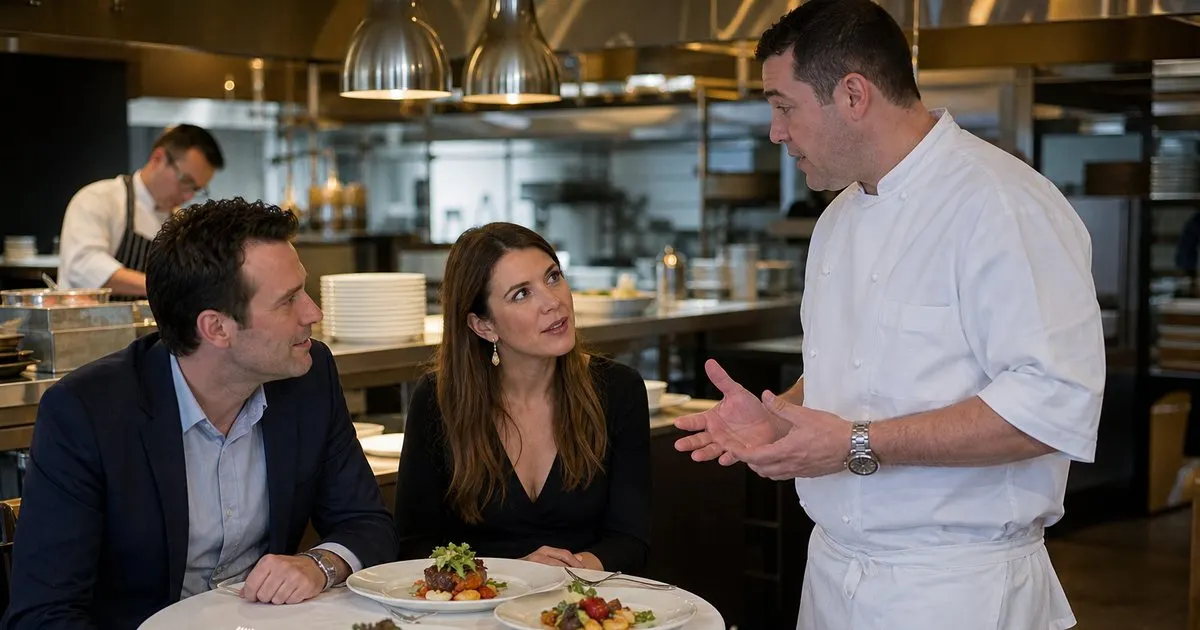
A tasting offered too early is a free dinner for people who are still comparing five caterers. A tasting offered too late, after the menu is locked and the deposit is spent, becomes a formality where nobody feels free to ask for changes. The sweet spot for most full-service caterers is after the client has committed with a signed proposal and deposit but before the final menu is confirmed. At that point the client is invested, you have a real budget to cook against, and the feedback still has somewhere to go. Related: Managing Headcount and Menu Changes
For corporate and drop-off work, the calculus is different. A recurring lunch account might justify a tasting before the first order because the lifetime value is large, while a one-time boxed lunch order for forty people almost never does. Ask yourself what the tasting is meant to accomplish: closing an undecided prospect, refining a menu that is already sold, or building a relationship with an account that will order for years. Each answer points to a different moment in the process.
Keep reading: From Inquiry to Booked Catering Event, Writing a Catering Proposal That Wins, What a Banquet Event Order Needs. See how CaterLoom helps you catering proposals and banquet event order generator.
Charging for the tasting without souring the relationship
Charging a fee for a pre-booking tasting is common and defensible, especially in the wedding market where a couple may schedule tastings with several caterers. The most accepted structure is a flat fee that is credited back against the final invoice if the client books, so a serious client effectively pays nothing while a browser covers your cost. State the fee, what it includes (how many guests, how many courses, whether wine is poured), and the credit terms in writing before the date is set. Related: How much of a deposit should a caterer collect before locking a date?
Post-booking tastings for a signed client are usually included, but they should still have boundaries. Set a guest limit, typically the couple or the event contact plus one or two decision makers, and limit the number of dishes to what is genuinely in question. A tasting that turns into a nine-course showcase for eight relatives is expensive and, oddly, often less useful, because too many opinions produce a muddier menu. If the client wants a larger group, offer it at a per-person price. Related: From Inquiry to Booked Catering Event
Running the tasting so the feedback is usable
Serve the dishes the way they will be served at the event, or as close as you can get. If the entree will be plated for two hundred and held in a hot box for twenty minutes, a tasting portion that comes straight from the pan sets an expectation you cannot meet on the day. Explain that difference honestly; clients respect a caterer who says a dish will look slightly different at scale far more than one who is surprised on the night. Related: What should a caterer check during a venue walkthrough before the event?
Capture decisions as you go, not afterward. Have a simple sheet with each dish, the proposed portion, and a place to note the client's verdict and any modification (less heat, different starch, swap the sauce). Confirm the changes verbally before they leave and send a written summary the same day. Those notes are what will become menu lines on the BEO, and the gap between a tasting memory and a written spec is where most "that is not what we tasted" complaints are born.
When to say no to a tasting
Some requests are not worth honoring. A prospect who wants a tasting before sharing a budget or date, a client whose event is below your minimum, or a planner who is clearly running a bake-off across many caterers with no intention of paying a fee: all of these are signals to decline politely or to hold firm on the fee. Offering a detailed proposal with photos and references is often a better use of your time than cooking for a lead that has not qualified itself.
Also consider what your kitchen can absorb. Tastings during peak season compete for the same hours as production, and a chef pulled off a Friday prep list to plate samples for a Tuesday tasting is a real cost to the events already booked. Many caterers block tastings to specific weekday afternoons in the off-season and limit them sharply in peak months. A clear policy, applied to everyone, is easier to defend than case-by-case exceptions.
- Offer tastings after commitment but before the menu is locked, when feedback still has somewhere to go.
- Charge a flat, creditable fee for pre-booking tastings and set guest and course limits for included ones.
- Serve dishes the way they will actually be executed at scale and say so.
- Write down every tasting decision the same day and carry it straight into the BEO.

Julien Jimenez
Julien Jimenez is an independent software builder based in Paris. He designs, ships, and operates focused SaaS products for small businesses and independent professionals. Read the full author page.
From proposal to banquet order in one flow
Catering proposals and banquet event order generator. CaterLoom is built to help you put this into practice.
Build a proposalMore from the CaterLoom blog

From Inquiry to Booked Catering Event

Writing a Catering Proposal That Wins
What a Banquet Event Order Needs
Get the CaterLoom playbook
Practical guides on catering operations, straight to your inbox as we publish them. No spam, unsubscribe any time.