
Catering operations
From Inquiry to Booked Catering Event
Turning an inquiry into a booking is a process. Here is how to make it smooth and win more events.
Practical, honest advice from the team behind CaterLoom, written to help you do this well.
Turning an inquiry into a booking is a process. Here is how to make it smooth and win more events.

A great proposal wins the event before the food is tasted. Here is what makes one work.
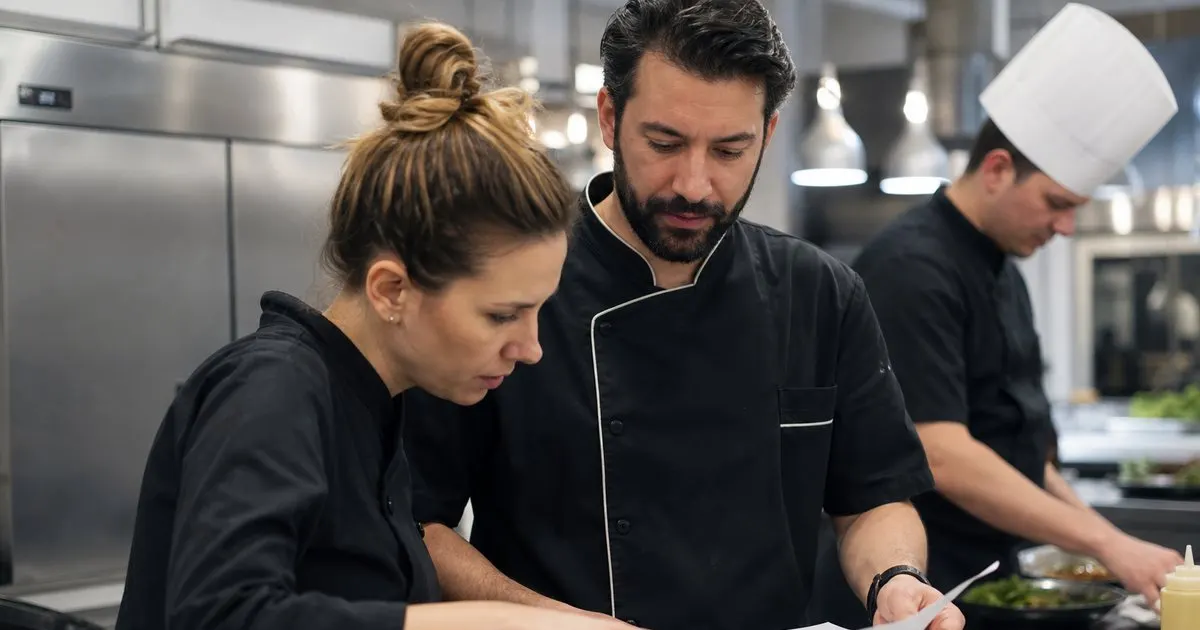
The BEO is what your team actually works from. Here is what a good one contains.

Catering details shift right up to the event. Here is how to manage changes without chaos.

Retyping event details is where errors creep in. Here is how to keep one source of truth.
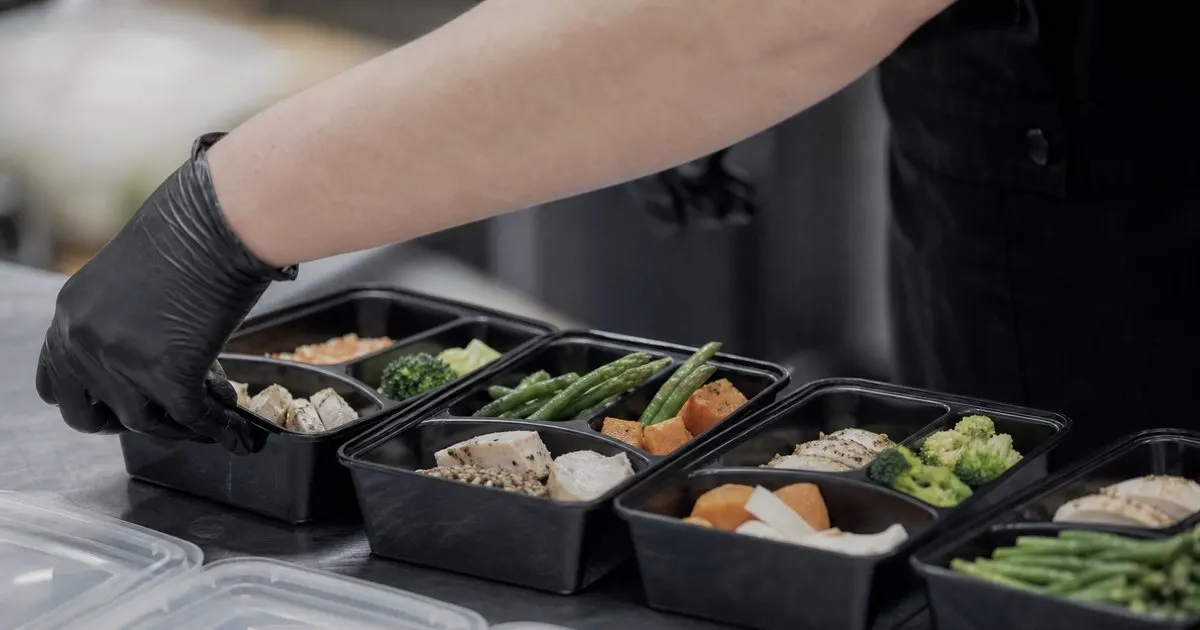
Getting dietary needs right is a matter of trust and safety. Here is how to handle them well.
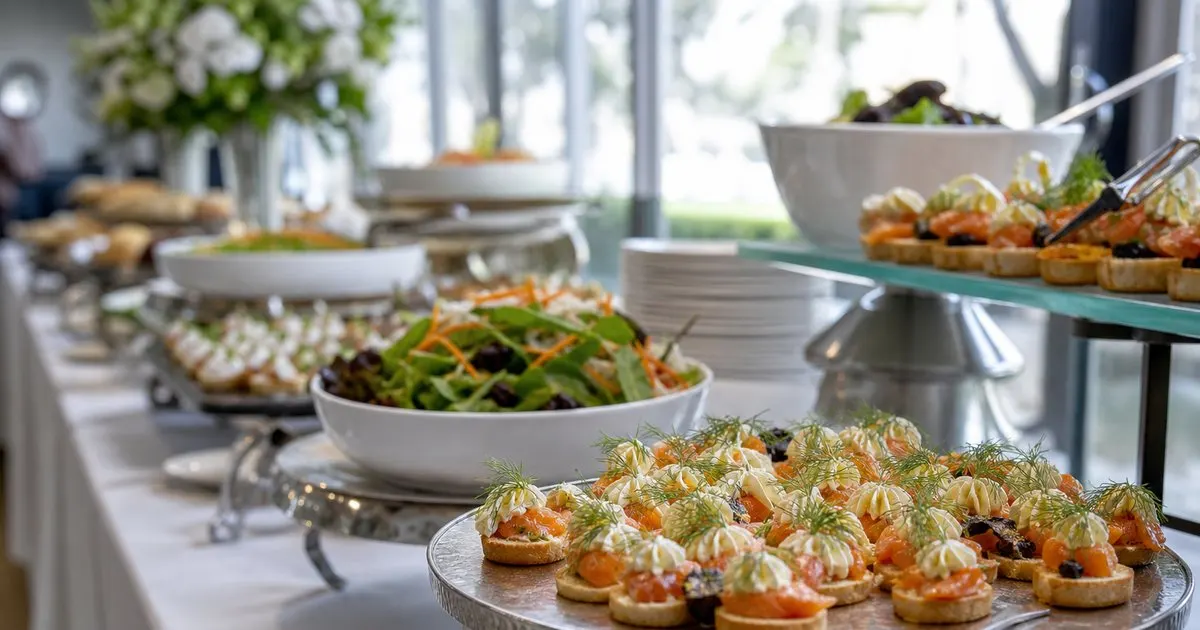
Catering pricing has to cover more than food. Here is how to price an event profitably.
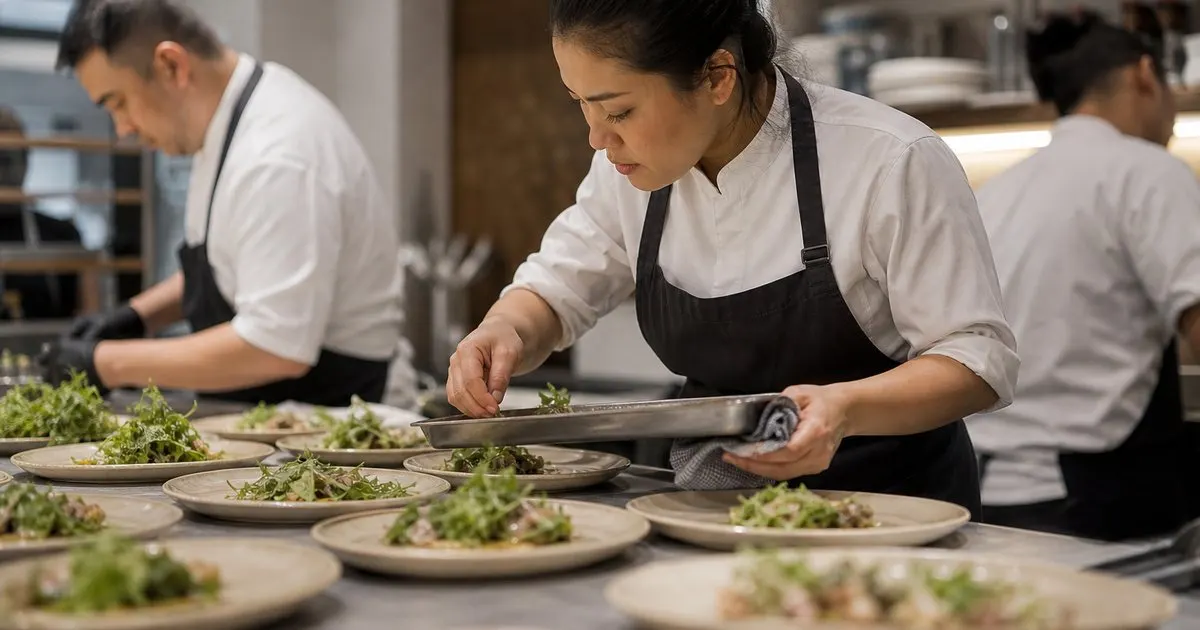
A great event depends on the kitchen and floor working as one. Here is how to keep them in sync.

A great event is the start of a relationship. Here is how to turn it into repeat bookings.

Deposits do two jobs: they protect your calendar and they fund your purchasing. Here is how to size the deposit, structure the remaining payments, and write terms clients actually accept.
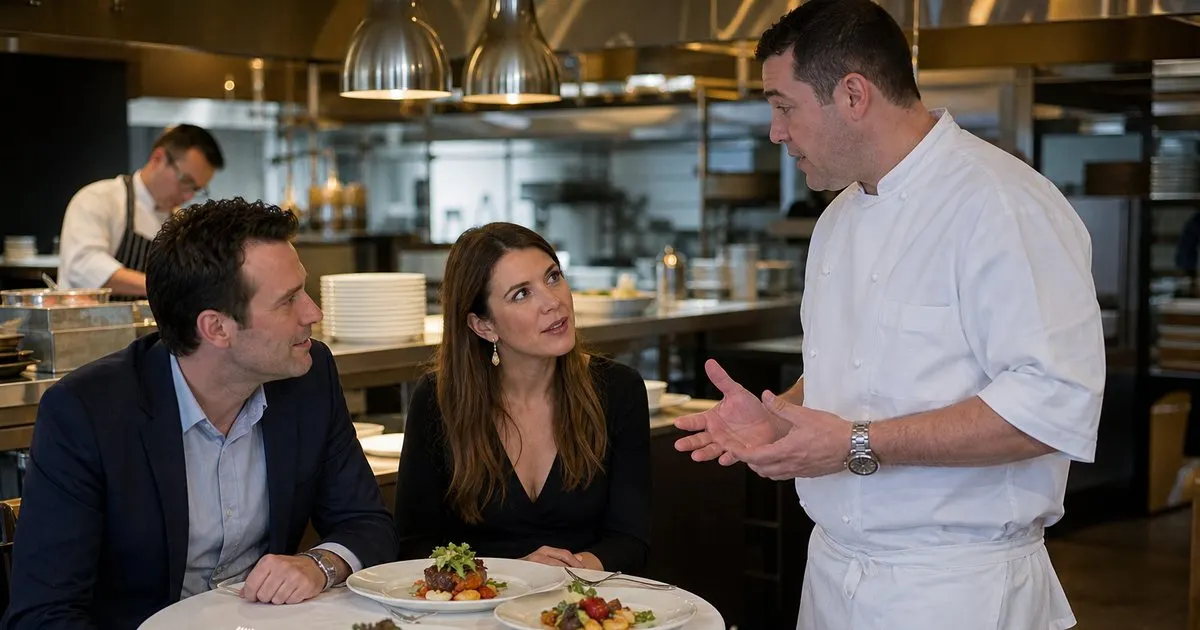
Tastings sell events, but they also cost real kitchen hours. Here is how to decide when a tasting is earned, how to charge for it fairly, and how to turn feedback into a cleaner BEO.
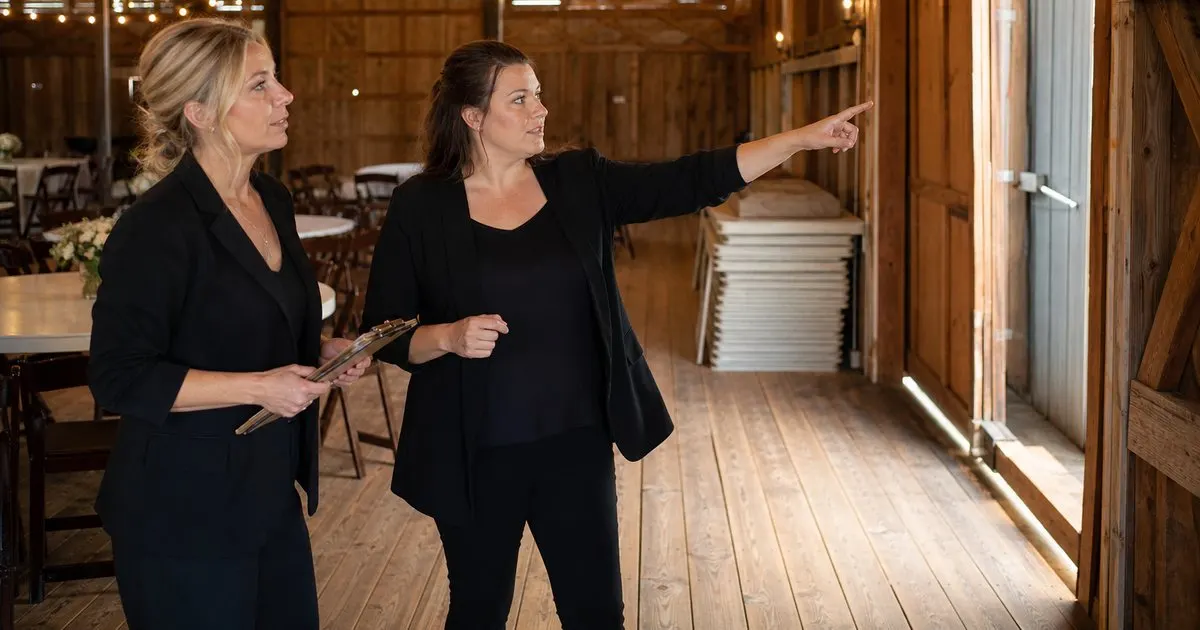
A thirty-minute walkthrough prevents most day-of disasters. Here is what to look at, who to bring, and how to turn what you find into BEO instructions.
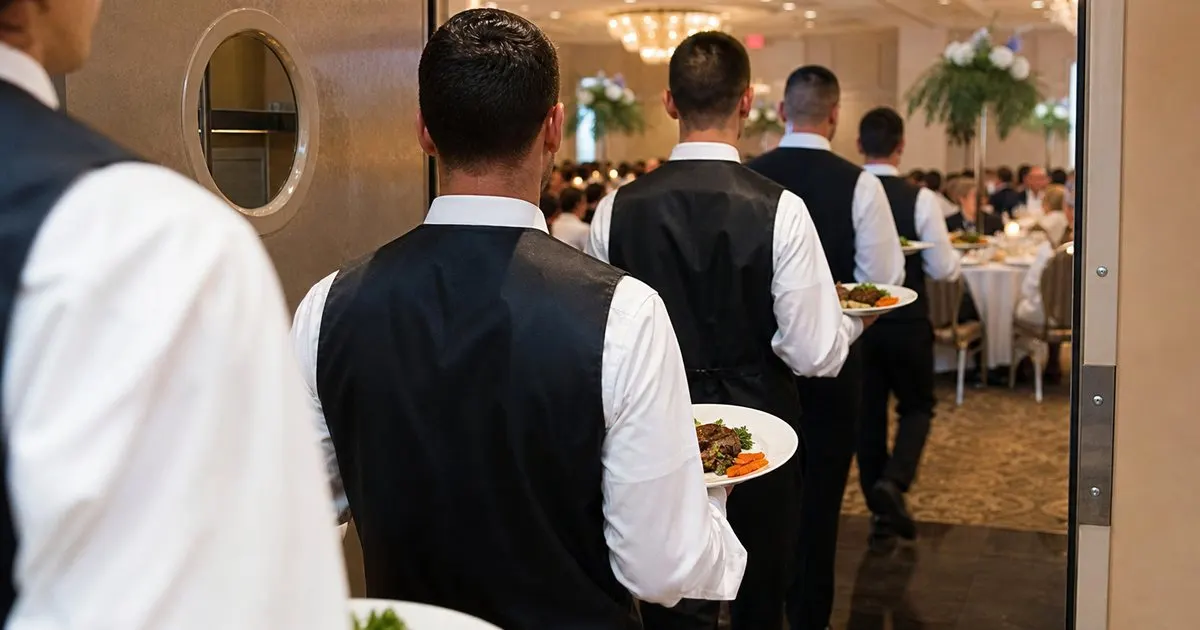
Staffing ratios are a starting point, not an answer. Here is how to build a server count from the menu, the room, and the timeline, and how to price it without losing the job.
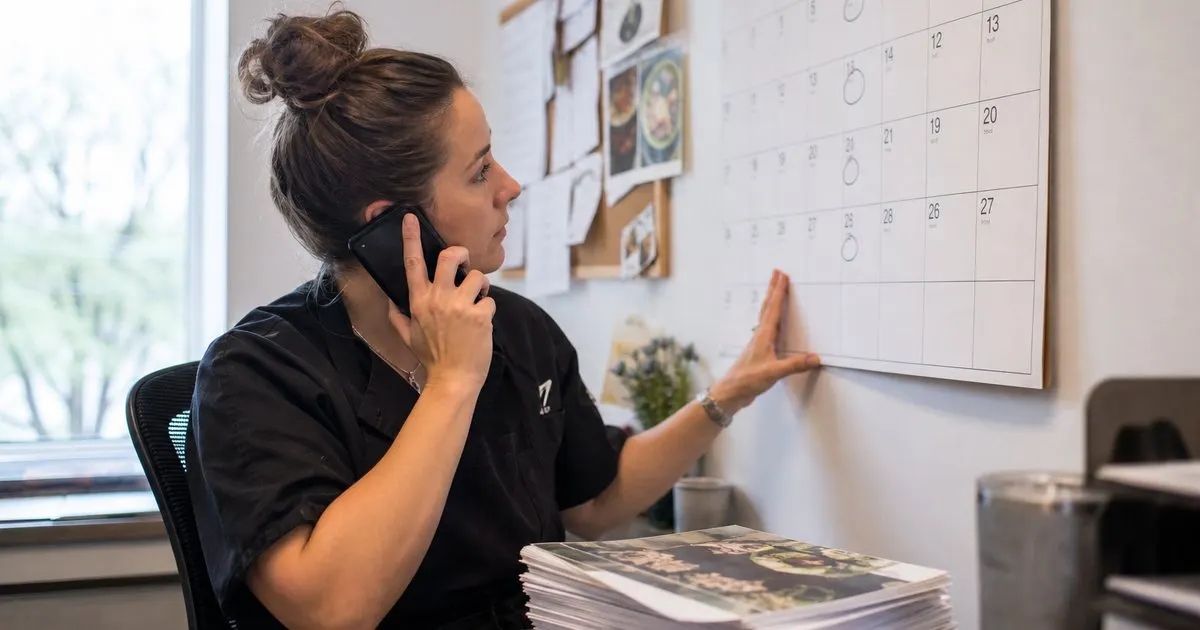
Postponements are not cancellations, but they can cost you just as much if handled loosely. Here is how to respond, what to reprice, and how to protect the new date.
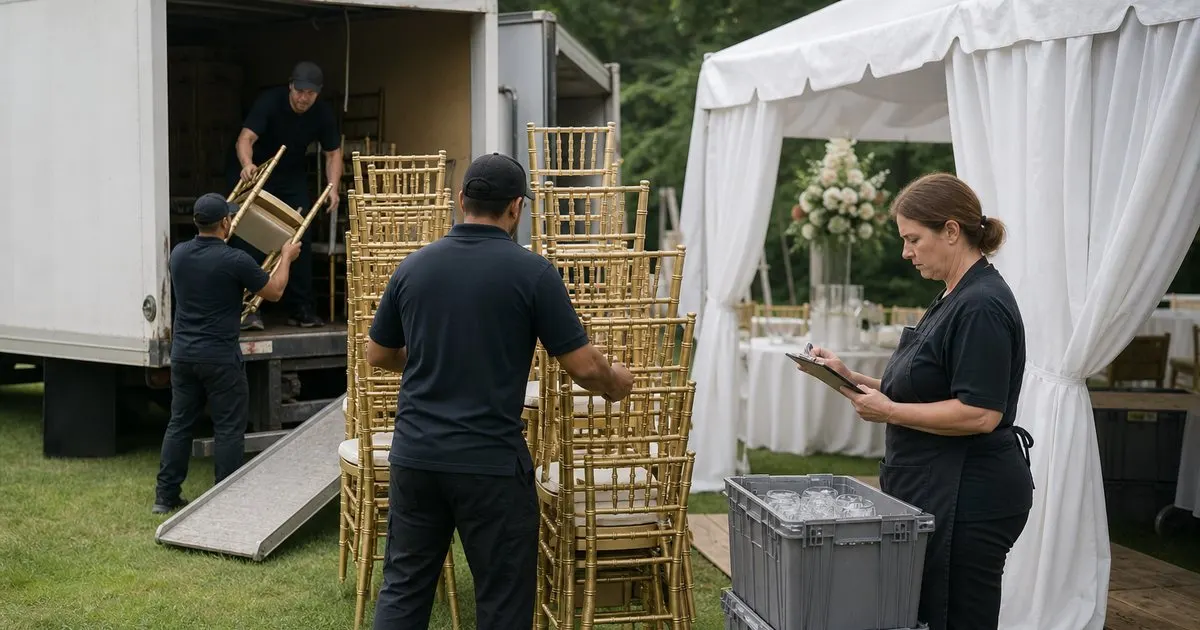
Rentals can be a service, a margin line, or a liability, depending on how you handle them. Here is how to decide what to own, how to present it, and how to keep it off your damage bill.
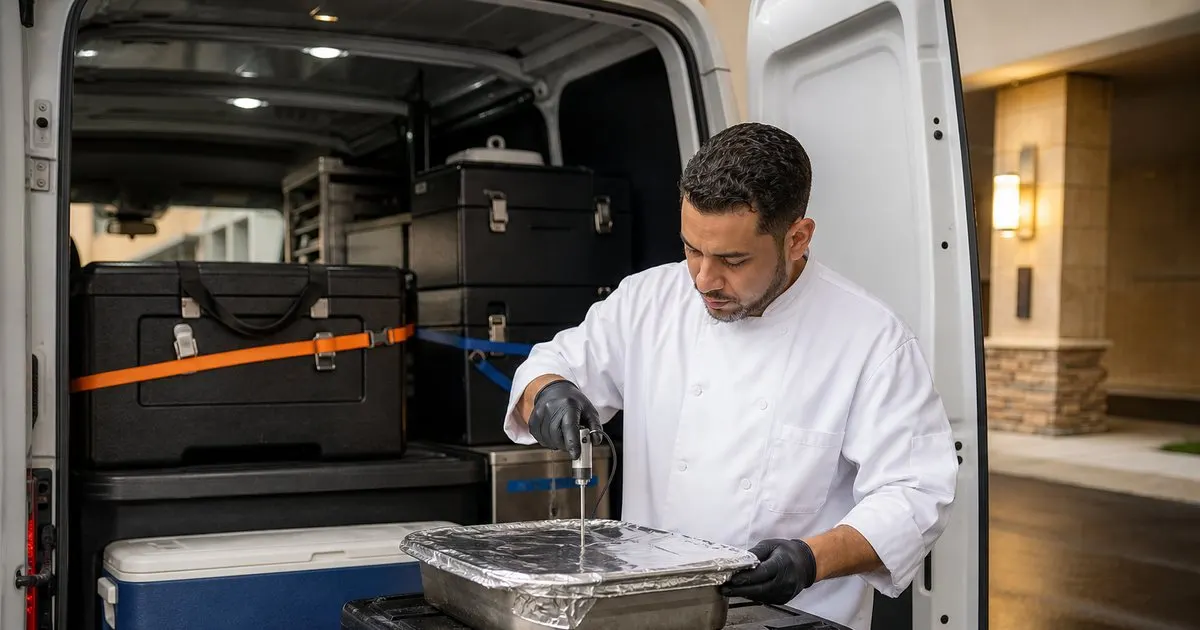
The drive from your kitchen to the venue is where safe food quietly becomes unsafe. Here is what changes in transit, how to plan for it, and how to document it on the BEO.

The final invoice is the last impression a client has of you. Here is a repeatable way to reconcile it against the BEO so it goes out fast, accurate, and without a single surprise.

Saying yes to the wrong event costs more than the revenue it brings. Here is how to spot a poor fit early, decline without burning the relationship, and refer the client somewhere useful.
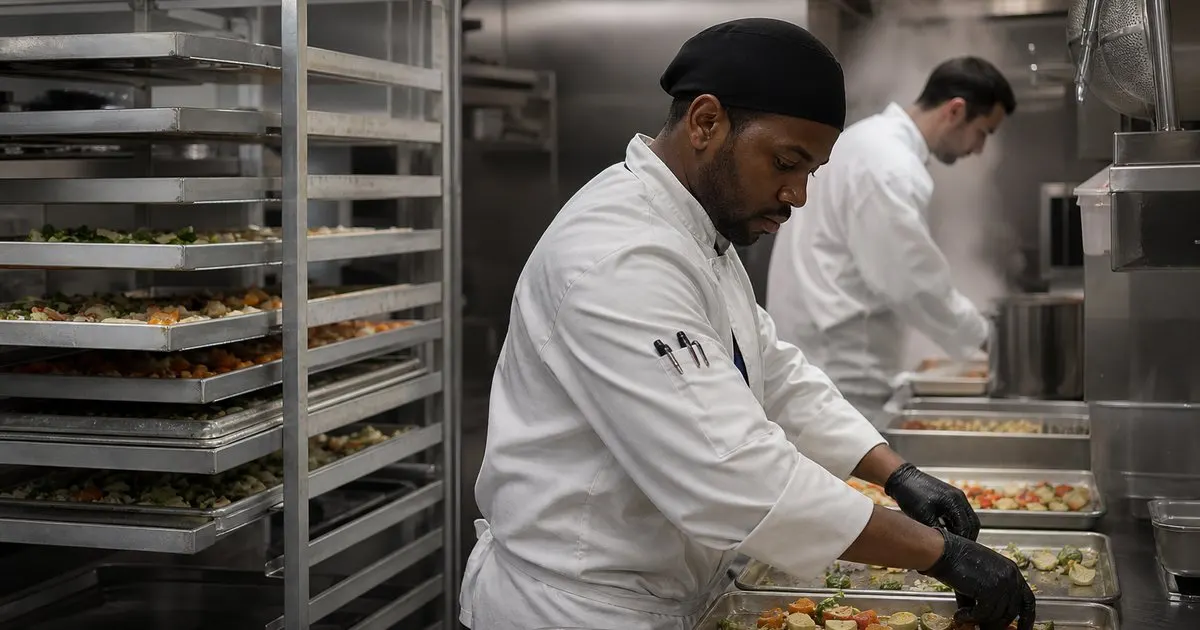
Three events in one weekend fail on capacity and timing, not on cooking. Here is how to build a single backward planned schedule, one shared pull list, and a change cutoff that actually holds.
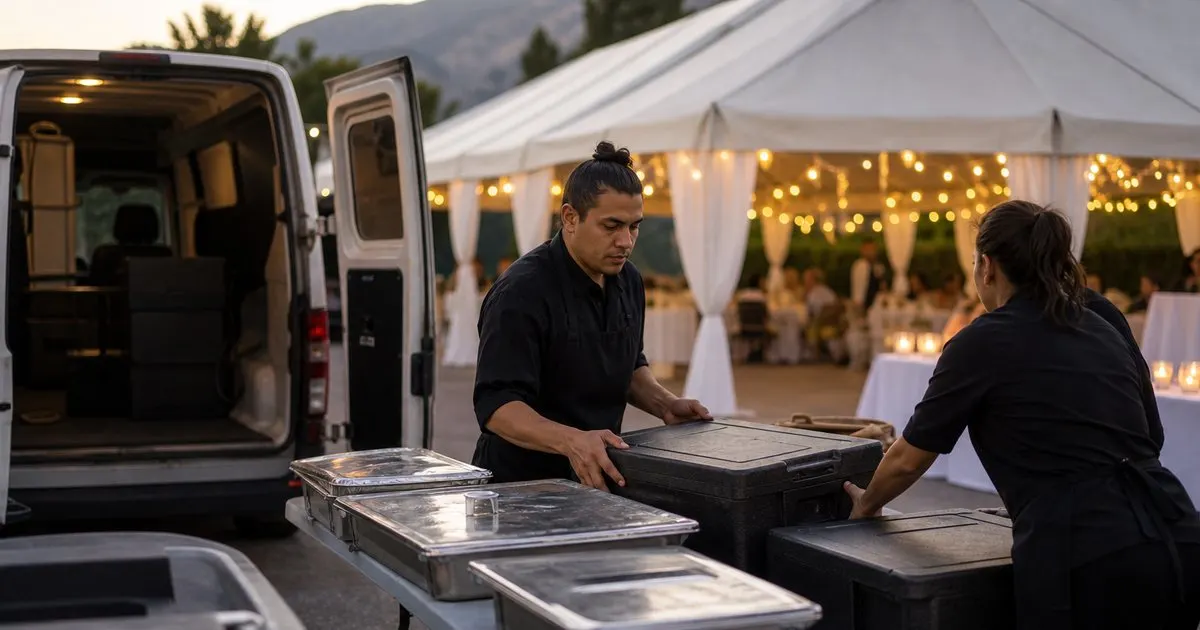
Guests ask, captains improvise, and the caterer carries the risk. A written policy, an honest food safety line, and one field on the BEO settle the question before breakdown starts.